Childhood Treasures

The Original Playstation

The Console That Changed Everything: A History of the PlayStation 1

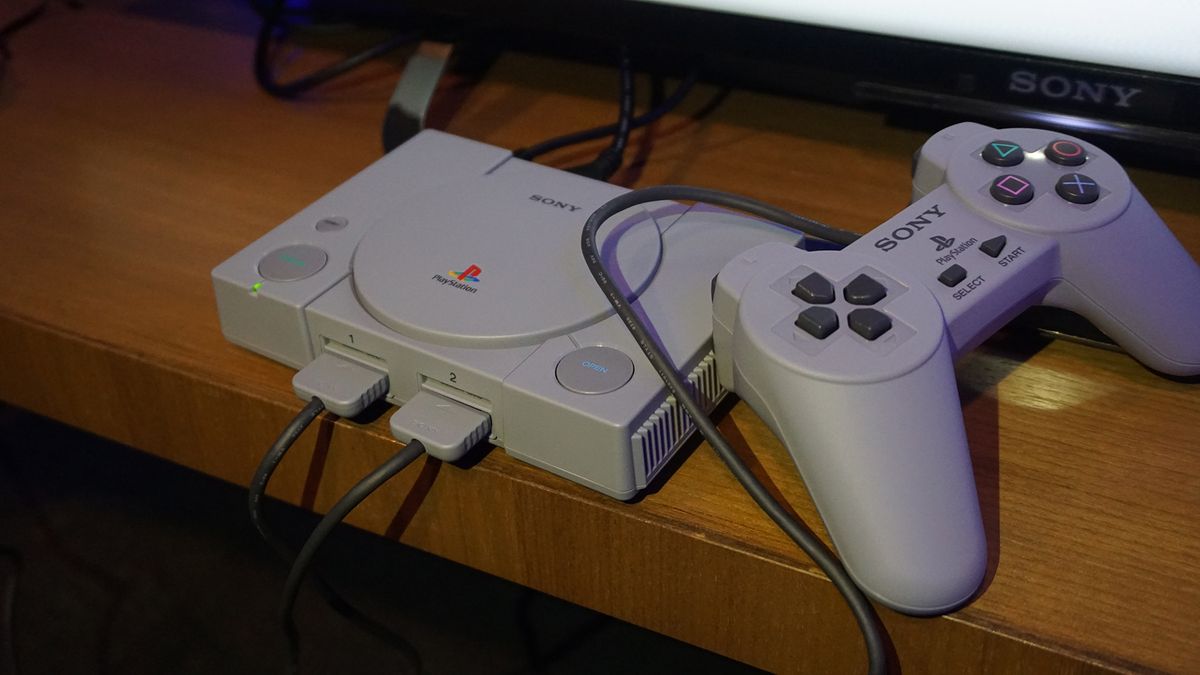
The PlayStation 1 (PS1), released by Sony Computer Entertainment in Japan in December 1994 and in North America in September 1995, was not just a successful console—it was a revolution that fundamentally reshaped the video game industry and established Sony as a titan in the market.

History and Creation: The Nintendo Fallout

The PS1's creation began ironically with a failed partnership with Nintendo. Sony, led by executive Ken Kutaragi ("The Father of the PlayStation"), was originally contracted to develop a CD-ROM add-on for the Super Nintendo Entertainment System (SNES).

However, due to disagreements over licensing rights, Nintendo abruptly canceled the deal and instead partnered with Philips. Furious at the betrayal, Sony's management made the bold decision to transform the "Play Station" prototype into a standalone, proprietary console. This moment of corporate rivalry became the catalyst for one of the most successful ventures in entertainment history.

Functionality and Innovation: The CD Revolution

The PS1's success was built on several key technological decisions that set it apart from its cartridge-based competitors, like the Nintendo 64 and the Sega Saturn:

  • CD-ROM Media: By using Compact Discs (CDs) instead of expensive, small-capacity cartridges, the PS1 offered massive storage capacity (up to 700 MB). This space allowed developers to include:
    • CD-Quality Audio: Full soundtracks and voice acting, moving away from simple MIDI sounds.
    • Full-Motion Video (FMV): Cinematic cutscenes that enriched storytelling, notably in games like Final Fantasy VII and Metal Gear Solid.
    • Lower Production Cost: CDs were dramatically cheaper to manufacture than cartridges, which encouraged more developers to take creative risks.
  • 3D Graphics Power: The 32-bit console was designed for the shift to 3D polygonal graphics. It featured a dedicated Geometry Transformation Engine (GTE) that specialized in fast 3D calculations, allowing it to render over 360,000 polygons per second. This power brought arcade-style 3D experiences, like Ridge Racer and Tekken, directly into the home.
  • The DualShock Controller: While the original controller was basic, the later introduction of the DualShock controller with dual analog sticks and force-feedback (vibration) technology set the standard for modern console control, offering precise movement in 3D space.

Impact on the Gaming Community: Mainstream Appeal

The PlayStation's impact extended beyond technology; it changed the very perception of video games:

  • Targeting Adults: Sony deliberately marketed the PS1 with an edgy, non-childlike aesthetic, appealing to teenagers and young adults. This strategic move helped transition gaming from a "kids' toy" niche into a mainstream, adult form of entertainment.
  • Third-Party Dominance: Sony offered accessible development tools and a flexible publishing environment, attracting major studios. The securing of blockbuster exclusives—like Final Fantasy VII, Resident Evil, Tomb Raider, and Gran Turismo—cemented the console's massive commercial success, making it the first console to ship over 100 million units.

Legacy and Future Success

The original PlayStation's legacy is the blueprint it provided for all subsequent models, establishing core principles that define the brand today:

  1. Embracing New Media: It pioneered the move to CD-ROM, a tradition continued with the PS2 embracing DVDs and the PS3 adopting Blu-ray.
  2. Focus on the Third-Party: The commitment to robust third-party support and a wide, diverse game library became the PS2's defining feature, enabling its record-breaking sales.
  3. Controller Standard: The design of the DualShock controller remains the fundamental basis for every subsequent PlayStation controller, maintaining a consistent, recognizable interface for decades.

The PS1 didn't just win a console generation; it established the culture, technology, and market strategy that guaranteed Sony's enduring dominance in the decades that followed, right up to the latest generation of PlayStation consoles.